| Material Grade |
Commonly grades like Corten A, Corten B (equivalent to various international designations depending on region) |
— |
Specifically designed for enhanced weathering resistance |
| Chemical Composition (Typical for Weathering Steels) |
C: 0.12 – 0.21% (varies by grade), Si: 0.25 – 0.75%, Mn: 0.20 – 0.50%, P: 0.07 – 0.15%, S: ≤0.05%, with alloying elements like Cu (0.25 – 0.55%), Cr (0.30 – 1.25%), Ni (≤0.65%) etc. |
— |
Alloying elements contribute to weathering and corrosion resistance properties |
| Cross-Sectional Dimensions |
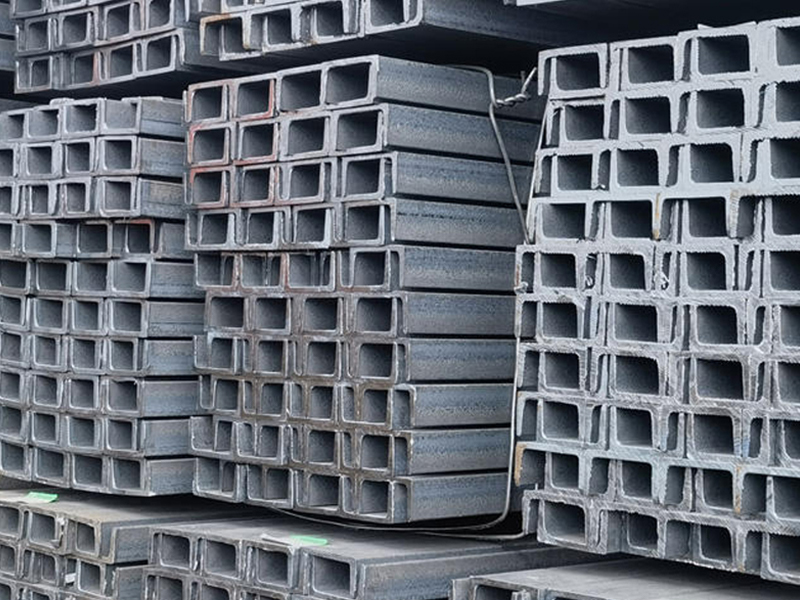
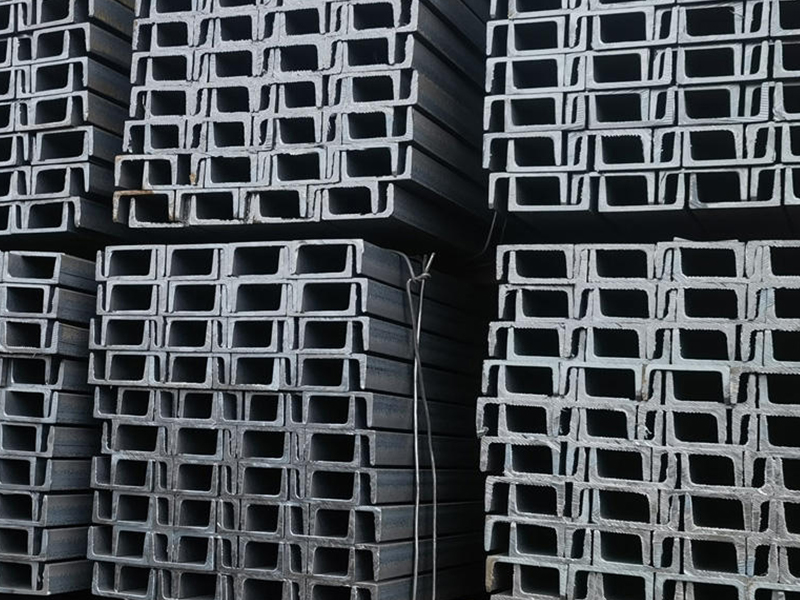
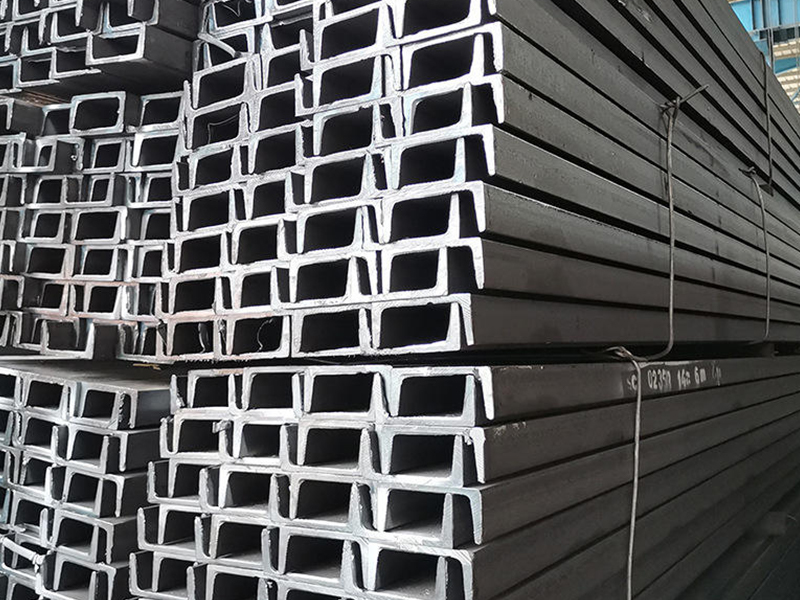
Web height: 120, Flange width: 60 |
mm |
Defines the size and shape of the channel steel |
| Thickness (Variable) |
Usually web and flange thicknesses range from 3 – 8 mm (depending on specific product and application requirements) |
mm |
Affects the weight and strength of the channel steel |
| Weight per Meter (Approximate, Based on Thickness) |
For example, if thickness is around 5 mm, it could be approximately [X] kg/m (actual value varies with exact thickness) |
kg/m |
Calculated based on dimensions and density of the steel |
| Yield Strength (Minimum, Varies by Grade) |
Generally around 345 – 460 MPa (e.g., Corten A might have a minimum yield strength within this range) |
MPa |
Key indicator of its ability to bear loads without permanent deformation |
| Tensile Strength (Typical Range by Grade) |
Typically in the range of 480 – 620 MPa (varies for different weathering steel grades) |
MPa |
Range of strength under tensile forces |
| Elongation (Minimum, by Grade) |
Usually ≥22% (but can vary depending on the specific grade and standard) |
% |
Demonstrates its ductility and ability to deform before breaking |
| Weathering Resistance |
High, forms a protective oxide layer over time when exposed to the atmosphere, reducing the need for additional corrosion protection coatings in many cases |
— |
Main advantage over traditional steels in outdoor applications |
| Weldability |
Good, with proper welding procedures and consumables suitable for these alloyed steels |
— |
Can be welded for fabrication purposes |
| Bendability |
Moderate to good depending on thickness and specific alloy composition, may require specialized equipment for sharp bends due to its strength and alloying |
— |
Ability to be shaped as per design requirements |
| Surface Finish (Initial) |
Mill finish or can have a slightly textured appearance due to the alloying elements and manufacturing process |
— |
May change over time as the protective oxide layer forms |
| Typical Applications |
Outdoor structures like bridges, railway stations, industrial buildings, sculptures, and any infrastructure exposed to the elements where the natural weathering look is desired and corrosion resistance is crucial |
— |
Ideal for long-term outdoor use without frequent maintenance for corrosion protection |