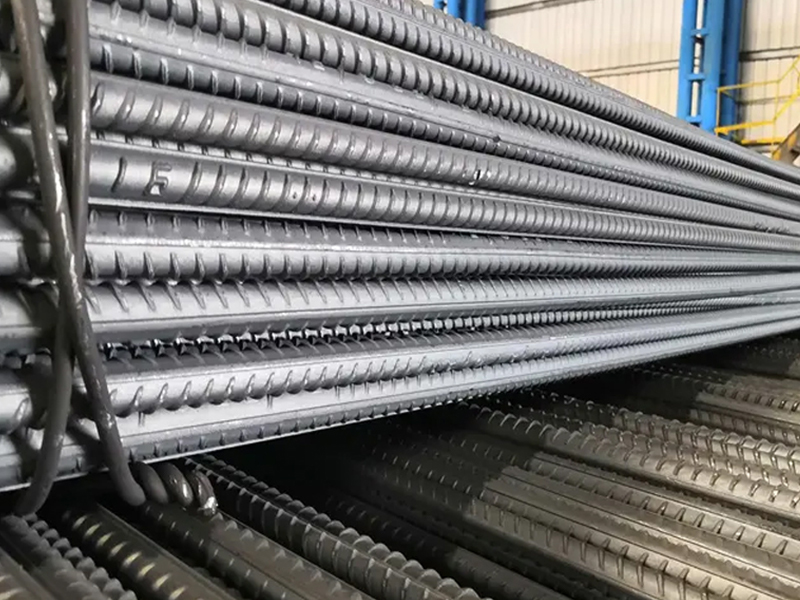
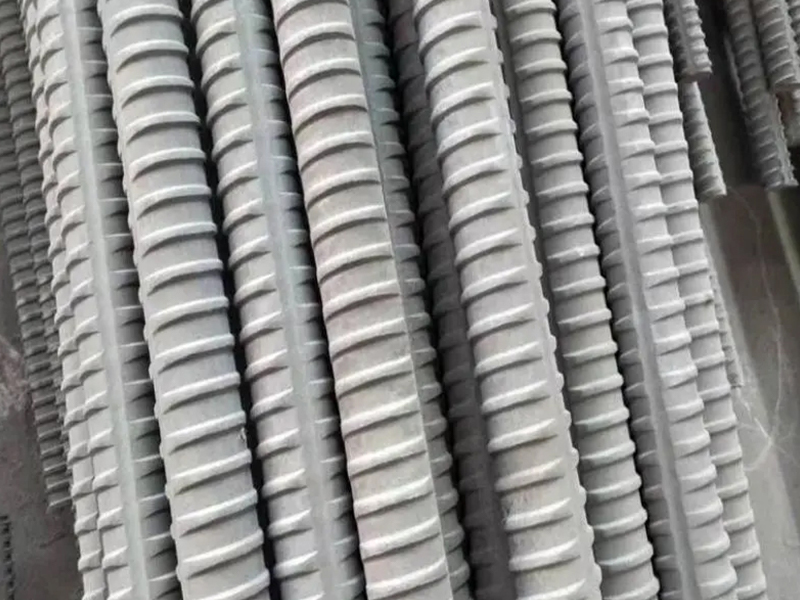
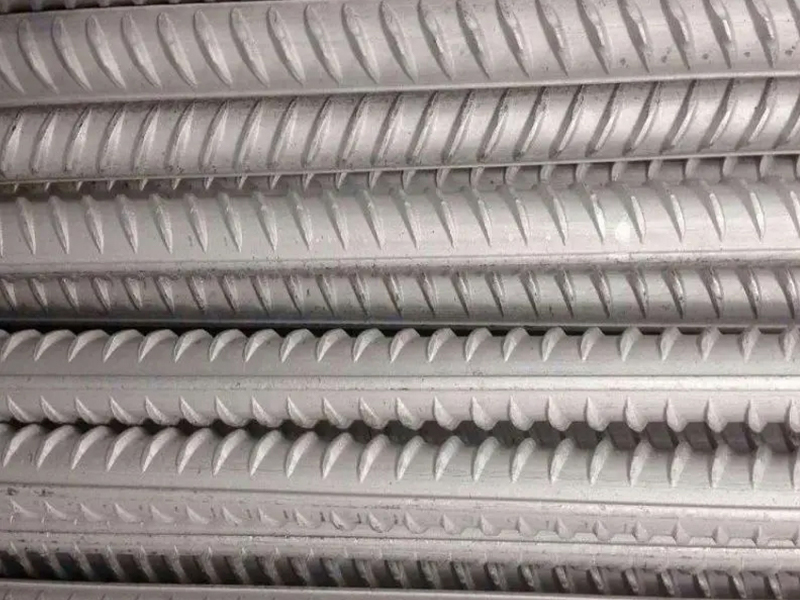
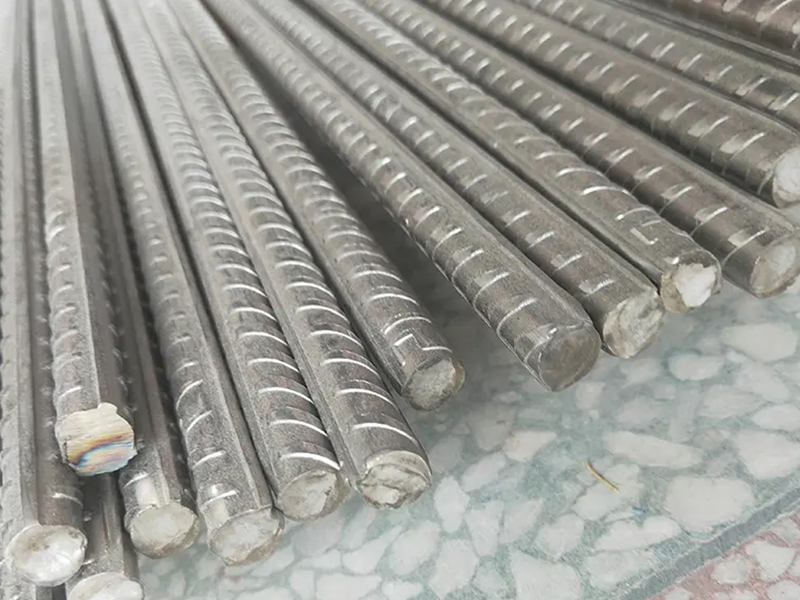



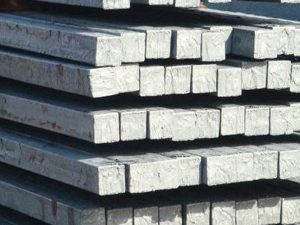
| Material Grade |
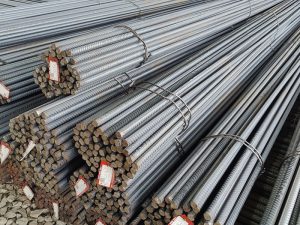
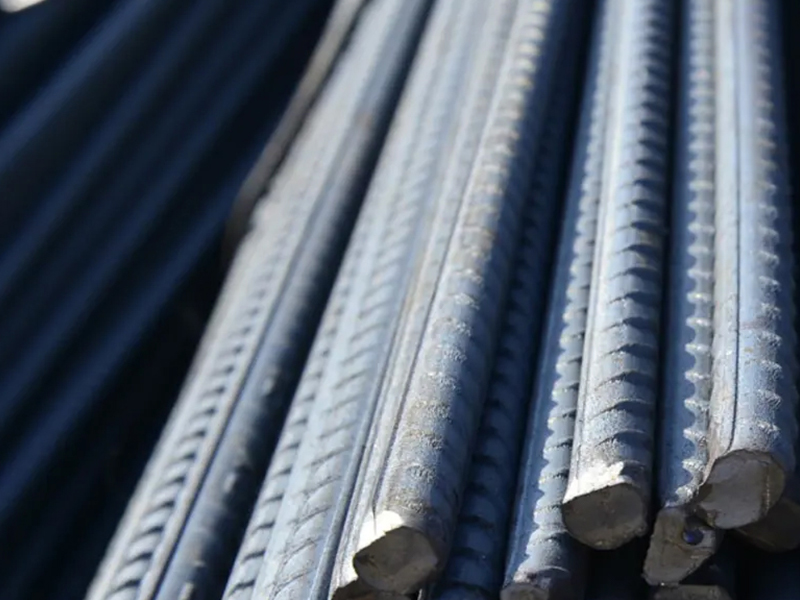
HRB400 (High-Strength Deformed Reinforcing Bar) |
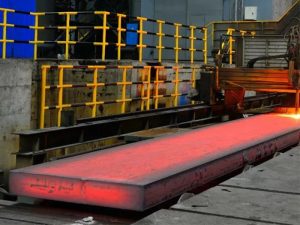
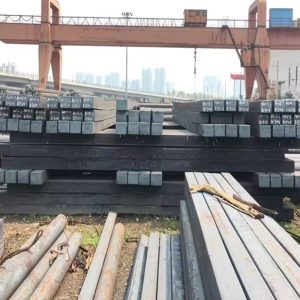
Q235B (Carbon Structural Steel) |
— |
Both meet Chinese national standards for construction |
| Chemical Composition |
C ≤0.25%, Si ≤0.80%, Mn ≤1.60%, P ≤0.045%, S ≤0.045%, with trace Nb, V, Ti |
C ≤0.20%, Si ≤0.35%, Mn ≤1.40%, P ≤0.045%, S ≤0.045% |
— |
HRB400 includes alloying elements for enhanced strength |
| Diameter/Section |
10 |
N/A (varies by form: bars, sheets, profiles) |
mm |
10mm standard diameter for rebar; Q235B available in multiple forms |
| Weight per Meter |
0.617 |
N/A (varies by section/thickness) |
kg/m |
Calculated for 10mm rebar; Q235B weight depends on specific form |
| Length Range |
6000–12000 (customizable) |
mm |
Standard lengths for construction and fabrication |
| Yield Strength (Minimum) |
≥400 |
≥235 |
MPa |
HRB400 provides higher load resistance for critical structures |
| Tensile Strength |
540–680 |
375–500 |
MPa |
Typical range at room temperature |
| Elongation (δ5, Minimum) |
≥16 |
≥26 |
% |
Q235B offers greater ductility for flexible applications |
| Impact Toughness |
≥34 (at 20°C) |
≥27 (at 20°C) |
J |
Longitudinal specimens; resistance to sudden impact loads |
| Surface Treatment |
Deformed (ribbed) for concrete bonding |
Mill finish, galvanized, or painted |
— |
HRB400 ribs ensure strong adhesion with concrete |
| Manufacturing Standard |
GB 1499.2-2018 |
GB/T 700-2006 |
— |
Compliance with Chinese structural steel regulations |
| Typical Applications |
Reinforced concrete (beams, columns, slabs, bridges, foundations) |
General structural components (frames, supports, brackets, light fabrication) |
— |
Often used together in coordinated construction systems |